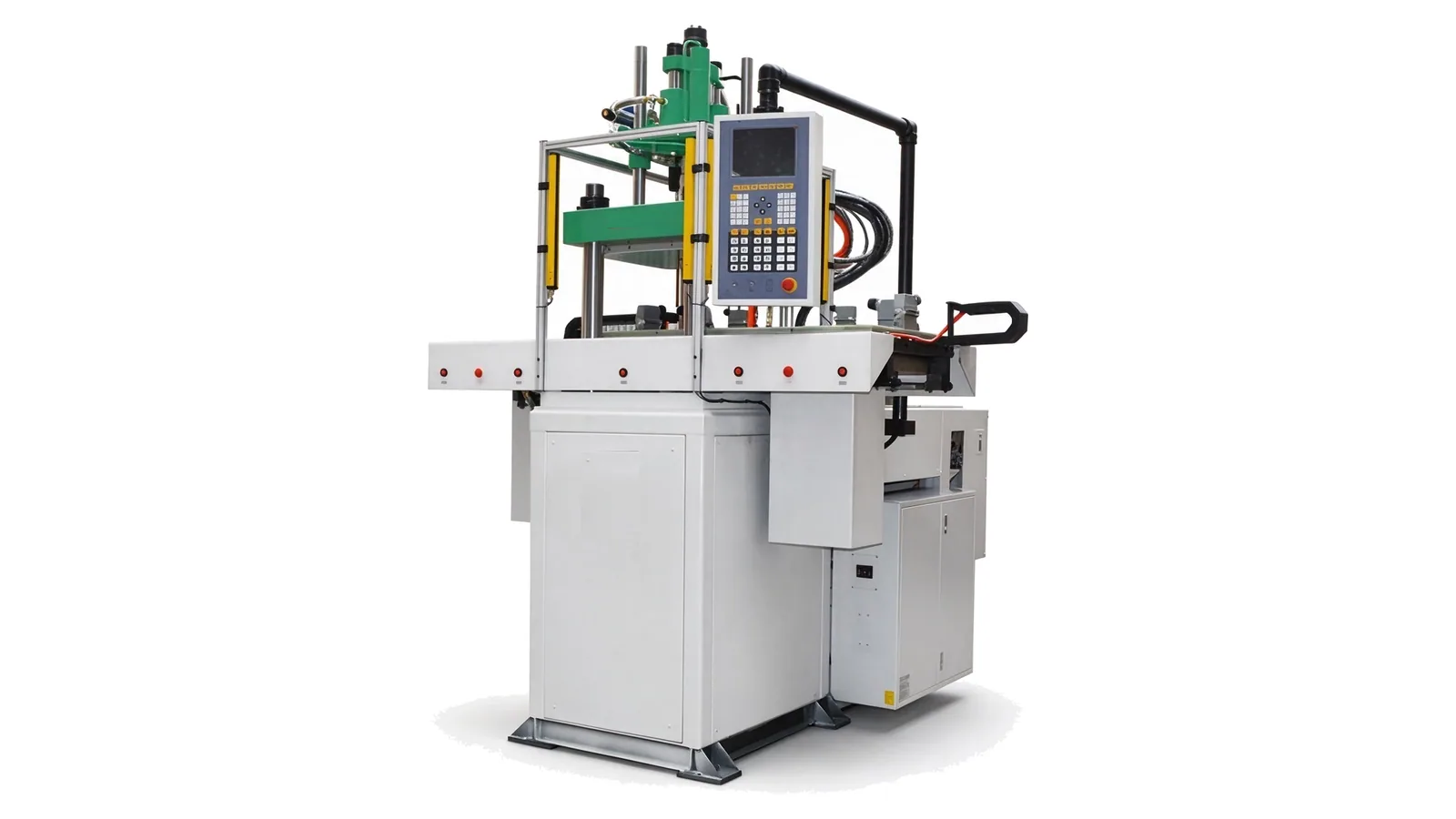
A compact 85 ton injection molding machine for small and medium precision parts. Two screw options cover the shot range, the clamp takes a 510 × 1,160 mm mold, and the whole machine draws 22.5 kW — sized for a workshop rather than a plant.

Injection, clamping and power figures for mold and part planning.
| Clamping force | 85 t |
| Screw diameter | 32 mm / 36 mm |
| Injection pressure | 2,200 / 1,600 kg/cm² |
| Max. shot weight (PS) | 100 g / 128 g |
| Injection rate | 125 |
| Screw speed | 0–260 rpm |
| Nozzle retraction | 200 mm |
| Heating zones | 3–4 |
| Platen size | 510 × 1,160 mm |
| Distance between tie bars | 525 × 360 mm |
| Min. mold height | 300 / 400 mm |
| Opening stroke | 250 mm |
| Max. open daylight | 550 / 650 mm |
| Ejector force | 3 t |
| Max. hydraulic pressure | 140 kg/cm² |
| Pump output | 63 L/min |
| Pump motor | 18 kW |
| Barrel heating power | 4.5 kW |
| Total power | 22.5 kW |
| Machine weight | 4,200 kg |
| Overall dimensions | 2.4 × 1.8 × 4.1 m |
* Specifications as supplied for this model. Final configuration confirmed on the proforma invoice.
Four units make up the machine: injection, clamping, hydraulic power and control.
Two screw options
| Screw diameter | 32 mm or 36 mm, quoted with the machine |
| Injection pressure | 2,200 kg/cm² at 32 mm, 1,600 kg/cm² at 36 mm |
| Max. shot weight | 100 g at 32 mm, 128 g at 36 mm in PS |
| Injection rate | 125 |
| Screw speed | 0–260 rpm, stepless |
| Nozzle retraction | 200 mm |
| Heating zones | 3 to 4, controlled from the panel |
85 t with a 510 x 1,160 platen
| Clamping force | 85 t |
| Platen size | 510 × 1,160 mm |
| Distance between tie bars | 525 × 360 mm |
| Min. mold height | 300 mm or 400 mm |
| Opening stroke | 250 mm |
| Max. open daylight | 550 mm or 650 mm |
| Ejector force | 3 t |
One pump, one motor
| Max. hydraulic pressure | 140 kg/cm² |
| Pump output | 63 L/min |
| Pump motor | 18 kW |
| Barrel heating | 4.5 kW |
| Total installed power | 22.5 kW |
Panel with process monitoring
| Control | Machine controller with shot, clamp and eject settings per mold |
| Temperature | Closed-loop barrel zone control |
| Safety | Mechanical guard, hydraulic interlock and emergency stop |
| Start-up | Mold setting data stored as a program for repeat runs |
Why small-part molders pick a machine this size.
Enough clamp for handles, caps, connectors and housings with a 510 × 1,160 mm platen, without paying for tonnage the mold does not need.
A 32 mm screw gives 100 g shot at higher pressure for thin walls and long flow paths; a 36 mm screw gives 128 g for larger parts at lower pressure.
Pump, barrel heating and controls together draw 22.5 kW, so the machine can run from a workshop supply without a dedicated substation.
The machine fits a normal workshop bay and can be moved with a forklift, which keeps it usable for job-shop work.
Shot size, clamp force, injection speed and temperatures are saved per mold, so changeovers do not need a trial-and-error run.
Typical parts and applications.
Workshop requirements.
| Power supply | 380 V, 3 phase |
| Installed power | 22.5 kW |
| Cooling water | For the mold, per mold design |
| Floor | Level floor, machine weight 4.2 t |
| Footprint | 2.4 × 1.8 m, plus granulate and part bins |
| Compressed air | Not required for the machine itself |
What a molder asks before ordering.
32 mm for thin-wall parts that need pressure over a long flow path, up to 100 g shot. 36 mm when the part is nearer 128 g and the wall is thicker.
Molds up to 510 × 1,160 mm on a 525 × 360 mm tie-bar spacing, with a minimum height of 300 or 400 mm depending on the configuration.
Yes, with barrel temperatures set for the material. Heating is split over three to four zones with closed-loop control.
Cycle time is set by the part and the mold cooling, not by the machine. Hydraulic pressure and injection rate are listed so the molder can calculate dry run and cooling.
Machines that go with a plastic parts shop.

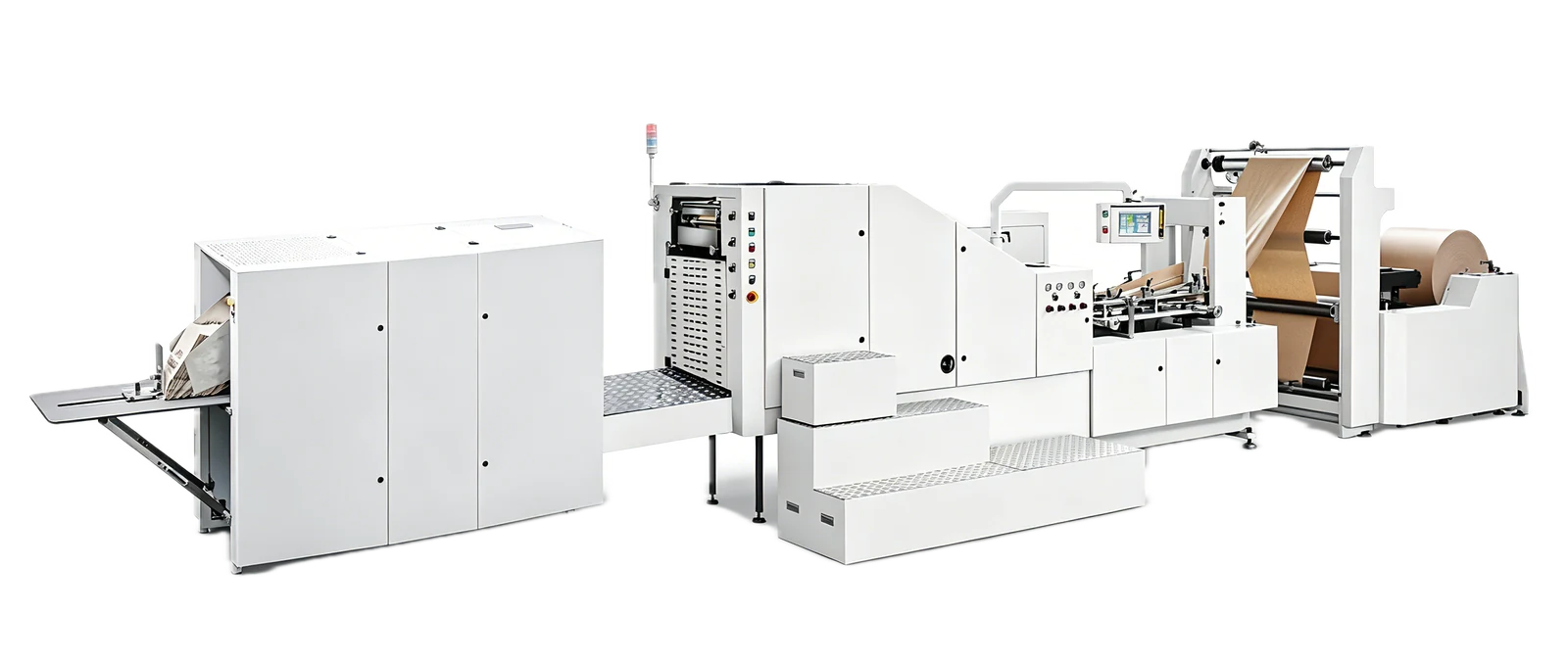
Converts paper rolls into glued square bottom bags.

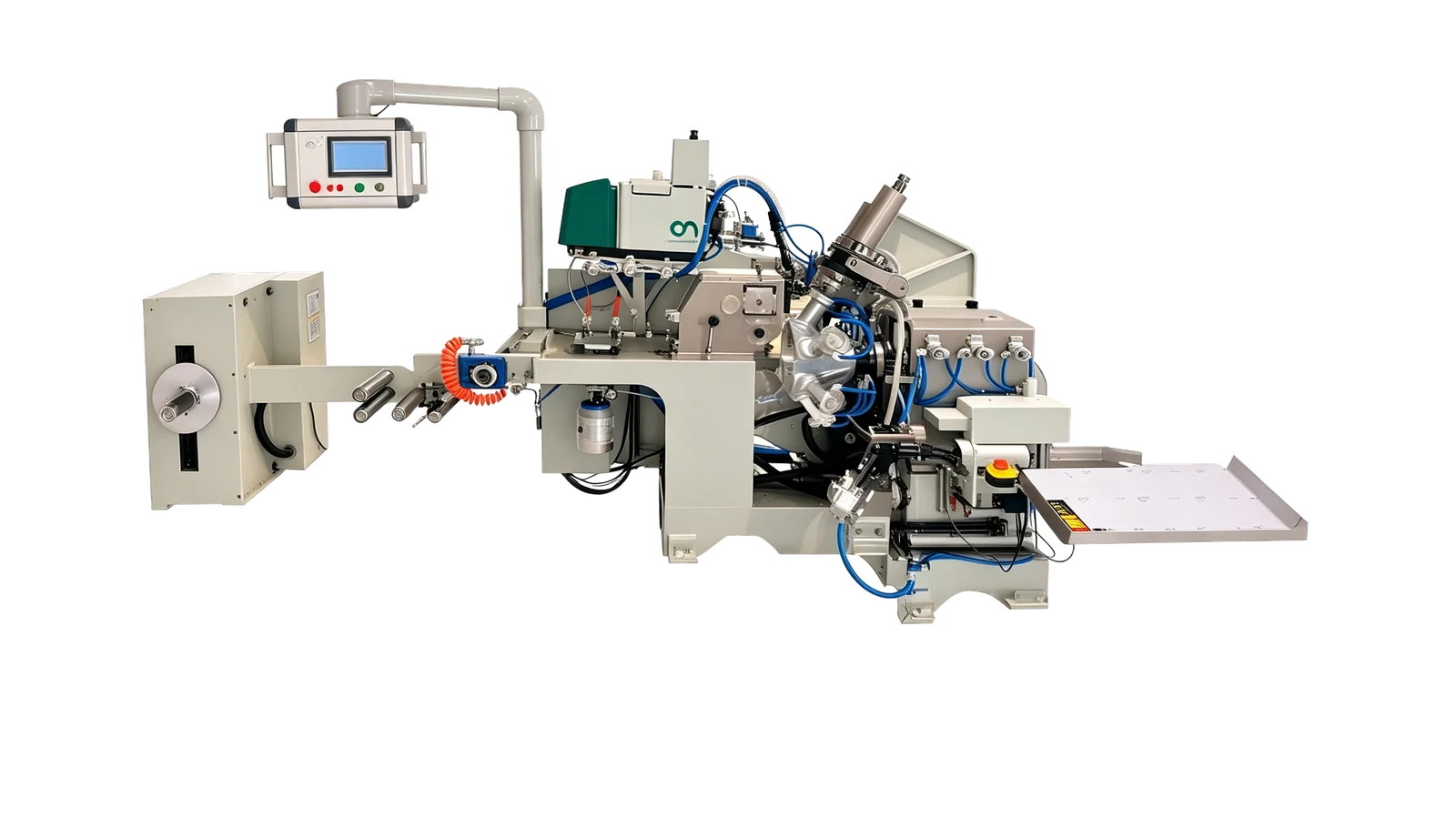
Forms and seals paper cups from printed board.

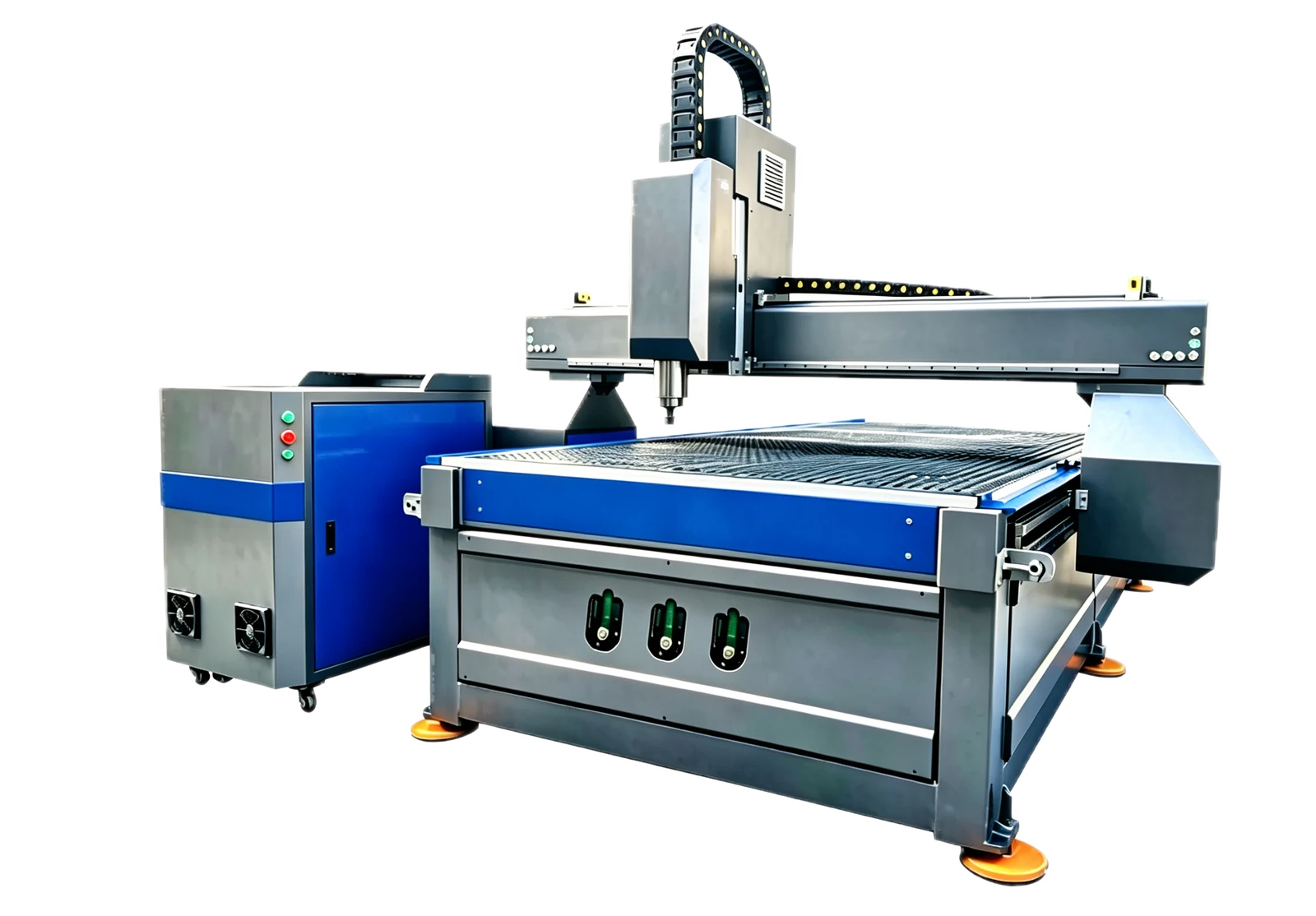
Machines the fixtures and jigs the molds run in.
Share the part weight, material and mold size and we will confirm the screw, the clamp and the cycle estimate.