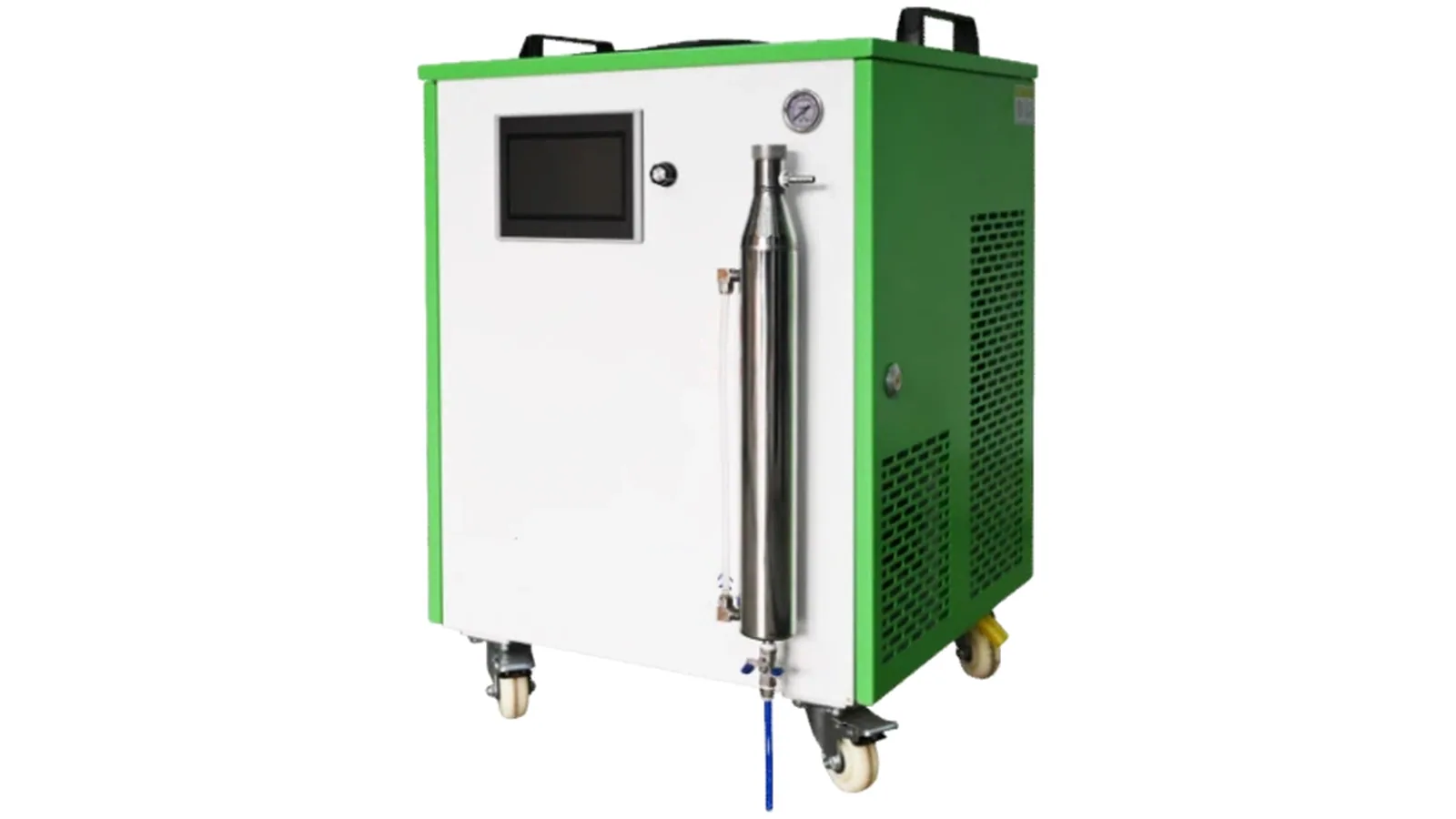
Gas from water, made where you use it. The generator electrolyses distilled water with a small electrolyte charge, mixes the hydrogen and oxygen in the 2:1 ratio they burn at, and feeds a dedicated torch — so there is no bottle to rent, no regulator to set and no cylinder store to license. Output is infinitely adjustable from a few litres to 10,000 litres per hour, and gas is produced only while you use it: pressure builds, production pauses, pressure drops, production resumes. When the machine is off there is no gas in the building.

Gas demand and supply voltage decide the model. Tell us the torch count, the flame hours per shift and the voltage at your wall — we confirm output and interface language on the proforma invoice.
| AC voltage | 480 V, 60 Hz (other voltages on request) |
| Phase | Three phase |
| Power consumption | 31 kWh |
| Maximum gas output | 10,000 L/h |
| Maximum working pressure | 2 kg/cm² |
| Maximum water consumption | 5.6 L/h |
| Water feed | Automatic |
| Dimensions (L × W × H) | 1520 × 900 × 1490 mm |
| Gross weight | 610 kg |
| Ventilation space | 400 mm in each direction |
| Electrolyte | Potassium hydroxide solution, topped up with distilled water |
| Interface language | Per destination |
| Gas storage | None — generated on demand, stops when switched off |
* Specifications as supplied for this model. Final configuration confirmed on the proforma invoice.
Power, gas output, water and safety on one sheet.
Water electrolysis, 2:1 hydrogen-oxygen mix
| Principle | Water electrolysis with a potassium hydroxide solution as electrolyte |
| Gas mix | Hydrogen 2 : oxygen 1 — the ratio they burn at |
| Ignition | Dedicated hydrogen-oxygen torch |
| Maximum gas output | 10,000 L/h |
| Output control | Infinitely adjustable by demand |
| Storage | None — gas is produced only while in use |
31 kWh, automatic water feed
| AC voltage | 480 V, 60 Hz (other voltages on request) |
| Phase | Three phase |
| Power consumption | 31 kWh |
| Maximum water consumption | 5.6 L/h |
| Water feed | Automatic |
| Water quality | Purified or distilled water |
| Electrolyte | Added once at commissioning; replaced only at maintenance |
Pressure interlock and backfire arrestors
| Overpressure | Production stops automatically, resumes when pressure falls |
| Backfire | Multiple backfire-prevention devices in the gas path |
| Water level | Alarm when water is low |
| Shutdown | Production stops immediately when the machine is switched off |
| Ventilation | 400 mm clear space in each direction |
Cabinet footprint and services
| Dimensions | 1520 × 900 × 1490 mm |
| Gross weight | 610 kg |
| Ventilation space | 400 mm each direction |
| Supply | 480 V, 3 phase, 60 Hz — confirm voltage at your site |
| Duty | Gas available immediately on start-up |
Why shops move from bottled gas to a generator.
A small electrolyte charge at commissioning, then distilled water for the life of the machine. No cylinder rental, no delivery schedule, no gas store to ventilate or license.
Output is infinitely adjustable and follows the work. A small brazing job runs at a few hundred litres an hour instead of burning a whole cylinder's worth of flame.
Gas exists only inside the machine while it runs. Switch off and production stops — which is the safety case that makes the technology acceptable inside a workshop.
Overpressure pauses production, low pressure restarts it, low water alarms, and multiple backfire arrestors sit in the gas path. The operator does not manage the gas, only the torch.
31 kWh and a few litres of water per hour. Against cylinder rental, delivery and handling, that is a line a buyer can check against their own electricity tariff.
Flame work where bottled gas is expensive, inconvenient or a safety burden.
Power, water and clearance you provide — plus what ships with the machine.
| AC voltage | 480 V, 60 Hz, three phase (confirm at your site) |
| Power consumption | 31 kWh |
| Water | Purified or distilled water, 5.6 L/h maximum, automatic feed |
| Ventilation | 400 mm clear space in each direction |
| Floor | Level floor for a 1520 × 900 mm cabinet, 610 kg |
| Torch | Dedicated hydrogen-oxygen torch per workstation |
| Gas store | Not required — no gas is stored |
The questions safety officers and buyers ask first.
No. Gas is generated only while the machine runs and production stops immediately on shutdown. That is the difference from a cylinder installation, and it is what allows the unit inside a workshop.
31 kWh of electricity and up to 5.6 litres of distilled water per hour, plus a one-off electrolyte charge at commissioning. Water is fed automatically.
Brazing and soldering of copper and brass, glass and quartz sealing, flame polishing, and carbon steel cutting up to about 300 mm. It is also used as combustion-supporting gas on boilers and incinerators.
Overpressure stops production and it resumes automatically when pressure falls; low water triggers an alarm; multiple backfire arrestors protect the gas path.
480 V, 60 Hz three phase for the standard build, with 400 mm clear space around the cabinet for ventilation. Other voltages can be specified at order — confirm your site voltage first.
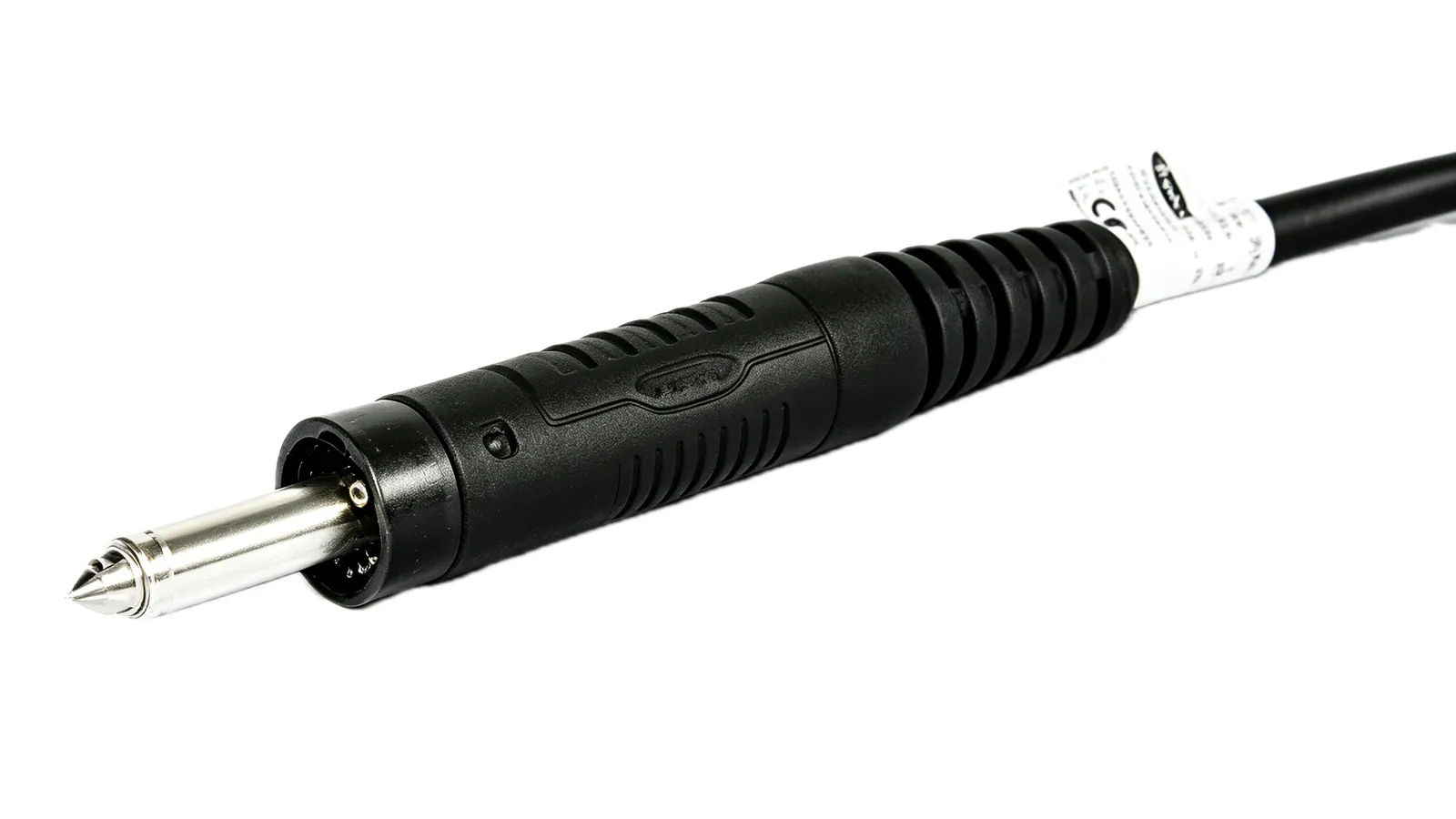
It comes with a dedicated hydrogen-oxygen torch. The flame is generated at the nozzle from the mixed gas, so the torch type and tip are matched to the generator rather than to bottled fuel.
The generator supports flame work at the bench and on the line.

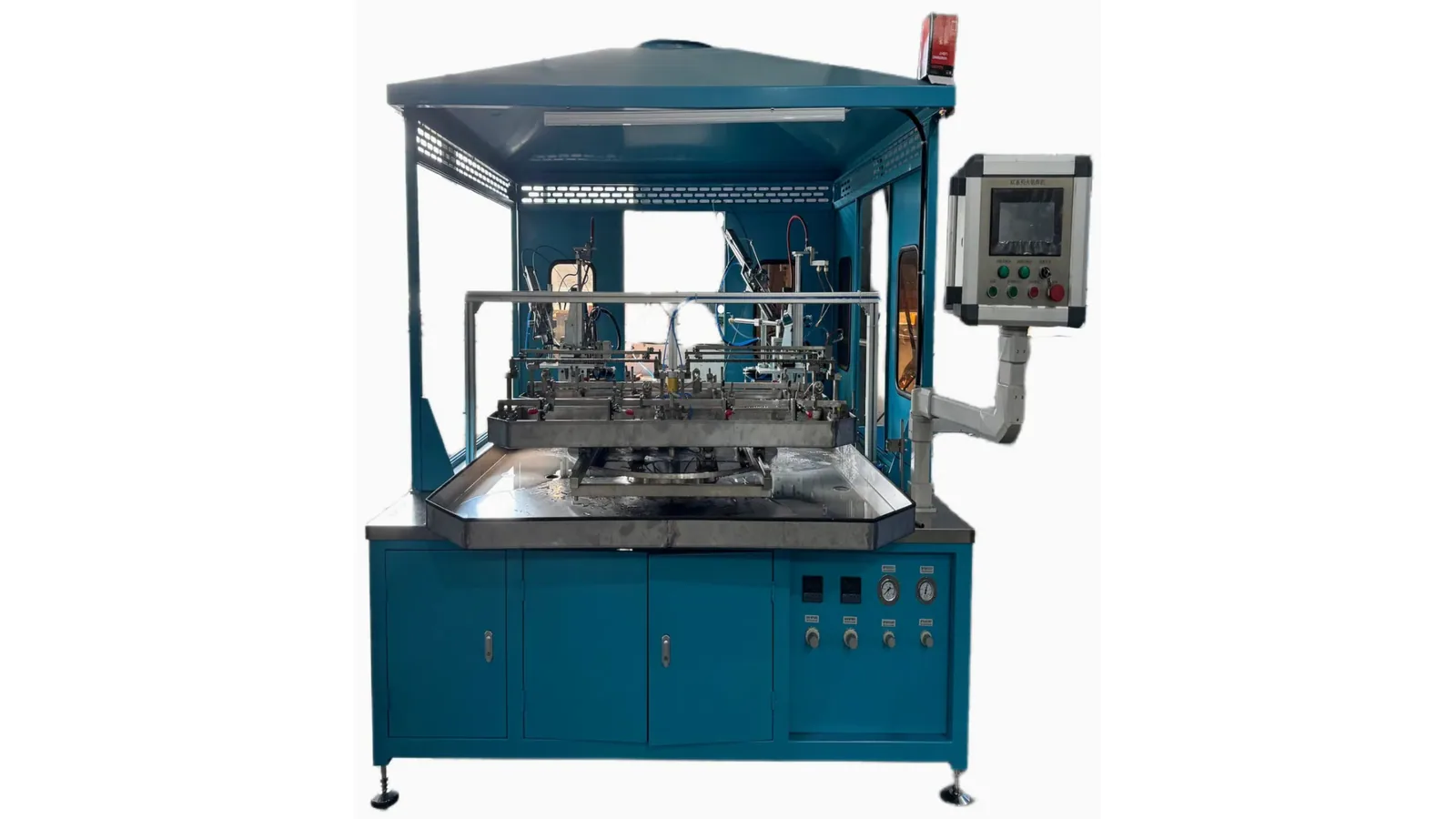
Rotary flame brazing for copper manifolds, fed by generated gas.

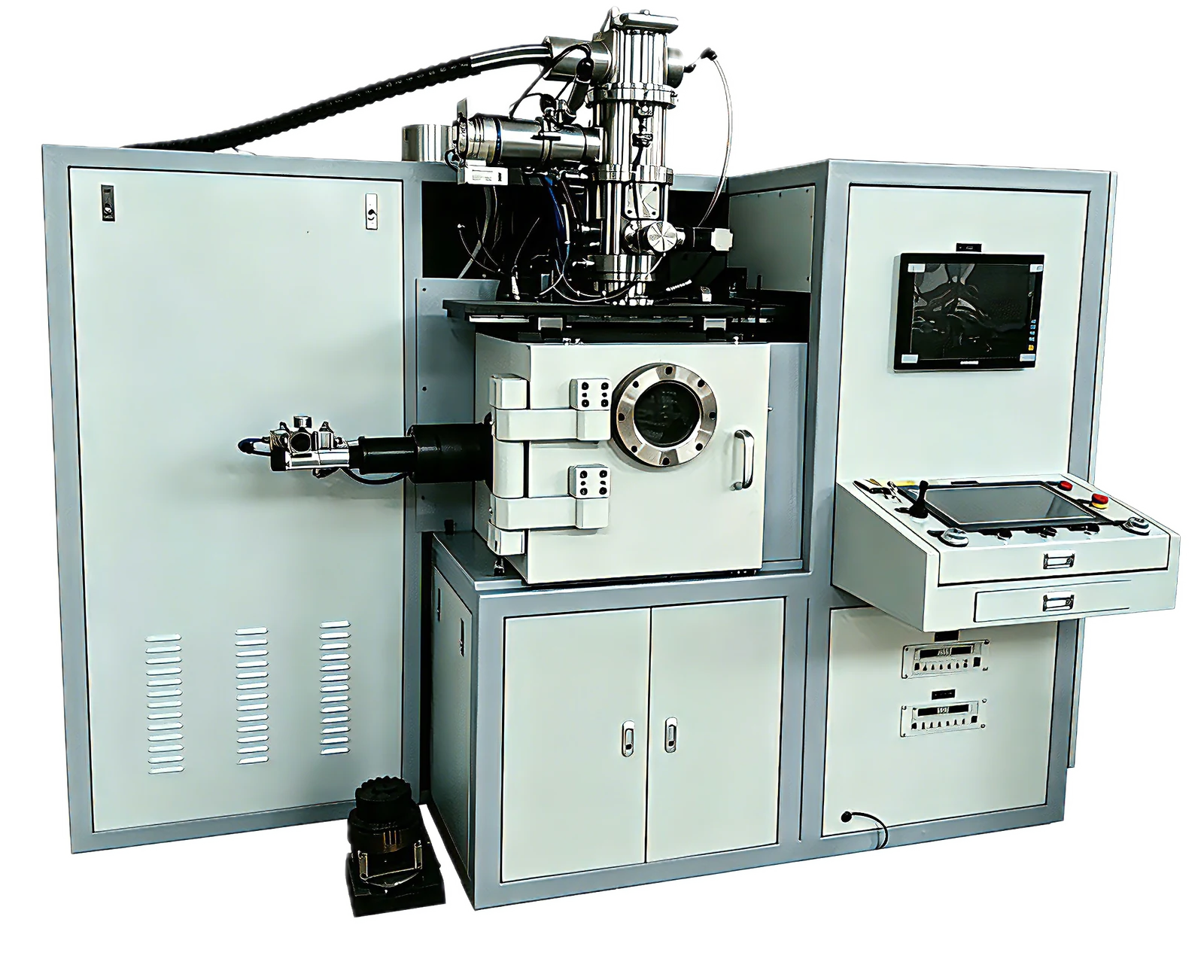
6 kW vacuum EBW for deep, oxidation-free joints where a flame cannot reach.

400 A MIG/MAG source for the arc side of the same bench.
Number of torches, hours of flame per shift and the supply voltage at your wall. An English-speaking engineer replies within one business day with output sizing.