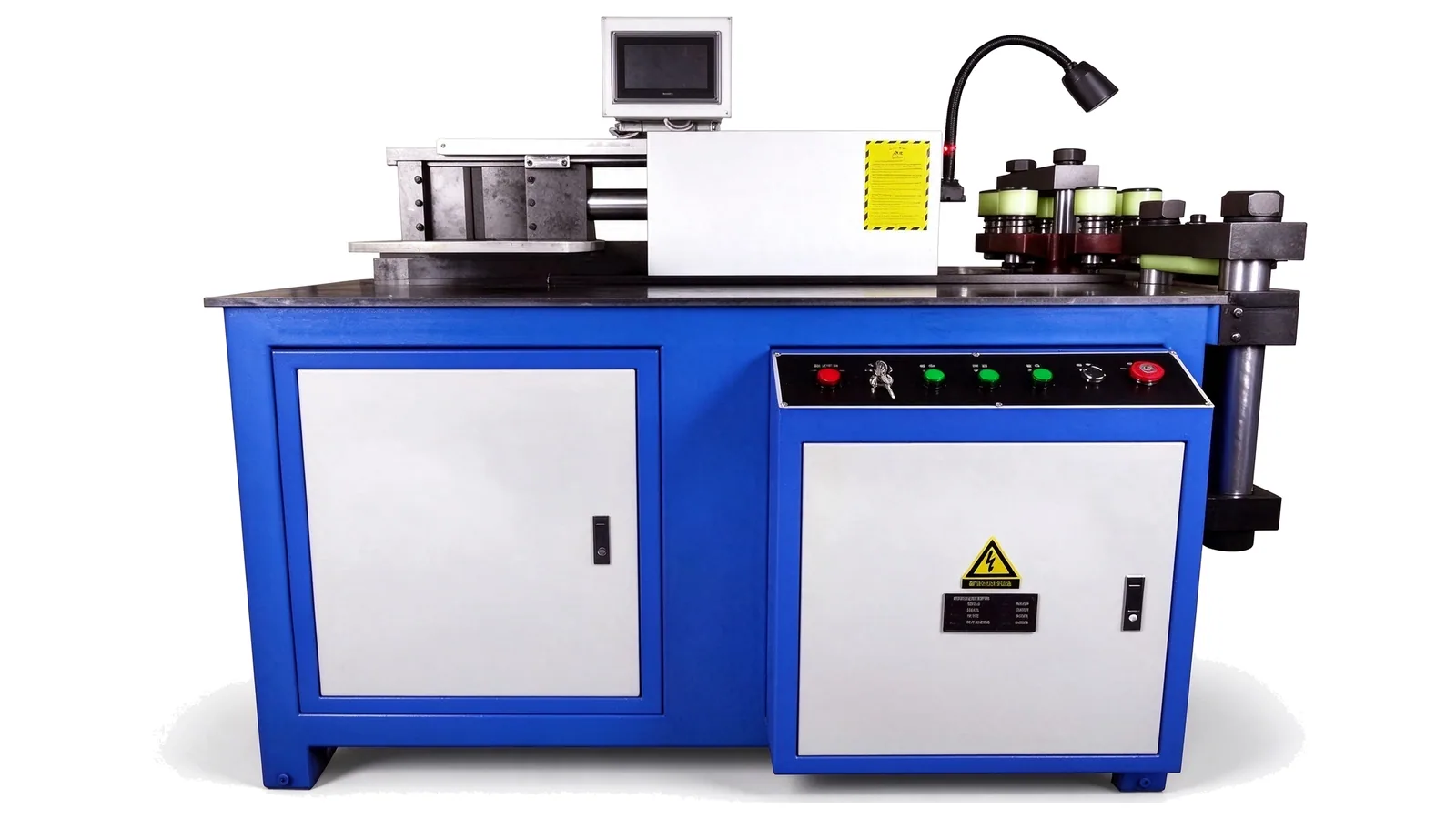
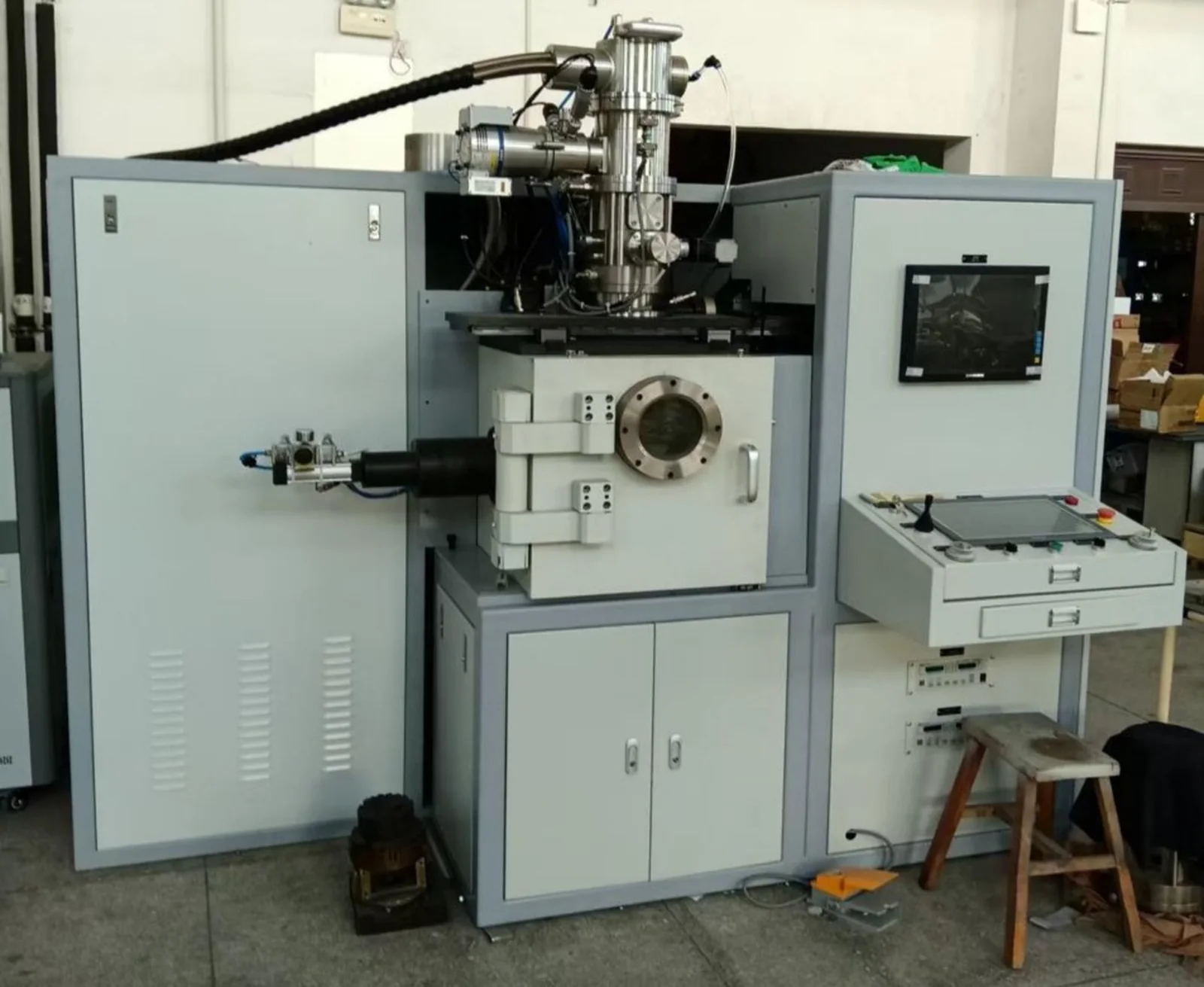
One machine for the four operations a busbar shop repeats all day: punching, shearing, horizontal bending and vertical bending, plus embossing and tie-in pressing. Copper and aluminium bars up to 12 mm thick, with a turret punch that changes hole size without stopping the machine.

Capacity of each station, in the terms a switchgear workshop quotes in.
| Punching force | 300 kN |
| Hole diameter | 4.3–25 mm |
| Max. punching thickness | 12 mm |
| Max. punching width | 160 mm |
| Punching heads | 4 fitted on an 8-position turret |
| Max. cutting thickness | 12 mm |
| Max. cutting width | 160 mm |
| Bending force | 300 kN |
| Max. bending width | 160 mm |
| Max. bending thickness | 12 mm |
| Bending tools | R5 and R10 horizontal sets |
| Vertical bending width | 120 mm (10 mm copper) |
| Min. vertical bending angle | 90° |
| Bend angle accuracy | ±1° |
| Drive motors | 3 × 4 kW |
| Overall dimensions | 1,700 × 1,350 × 1,500 mm |
| Machine weight | about 1,390 kg |
* Specifications as supplied for this model. Final configuration confirmed on the proforma invoice.
Each station runs independently, so a bar can be punched at one table while another is bent at the second table.
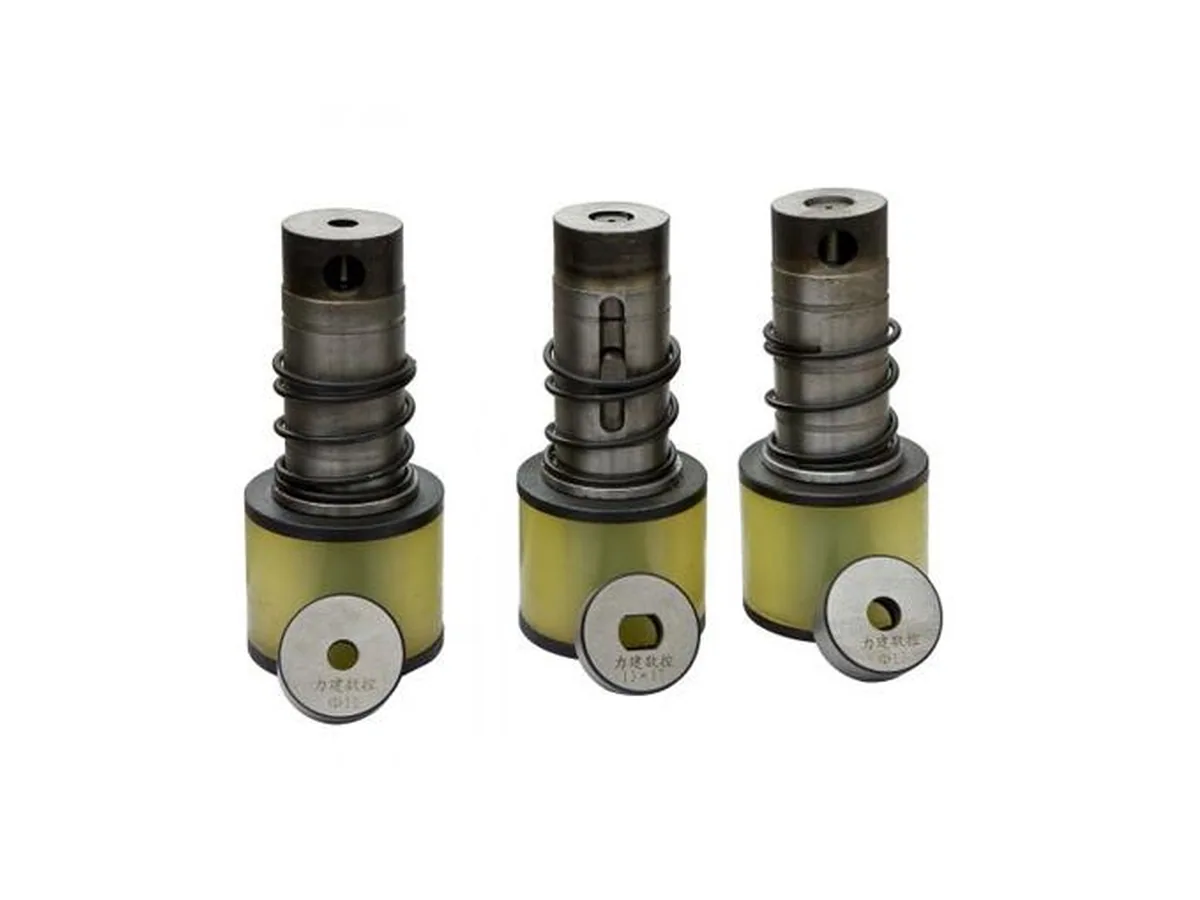
Turret head, 8 positions
| Punching force | 300 kN |
| Hole range | 4.3–25 mm |
| Turret | 8-position turret, 4 heads fitted as standard, more sizes on request |
| Tool change | Index the turret, no need to stop the machine to change a die |
| Workpiece surface | Special punching dies leave no press marks on the bar |
| Max. width | 160 mm |
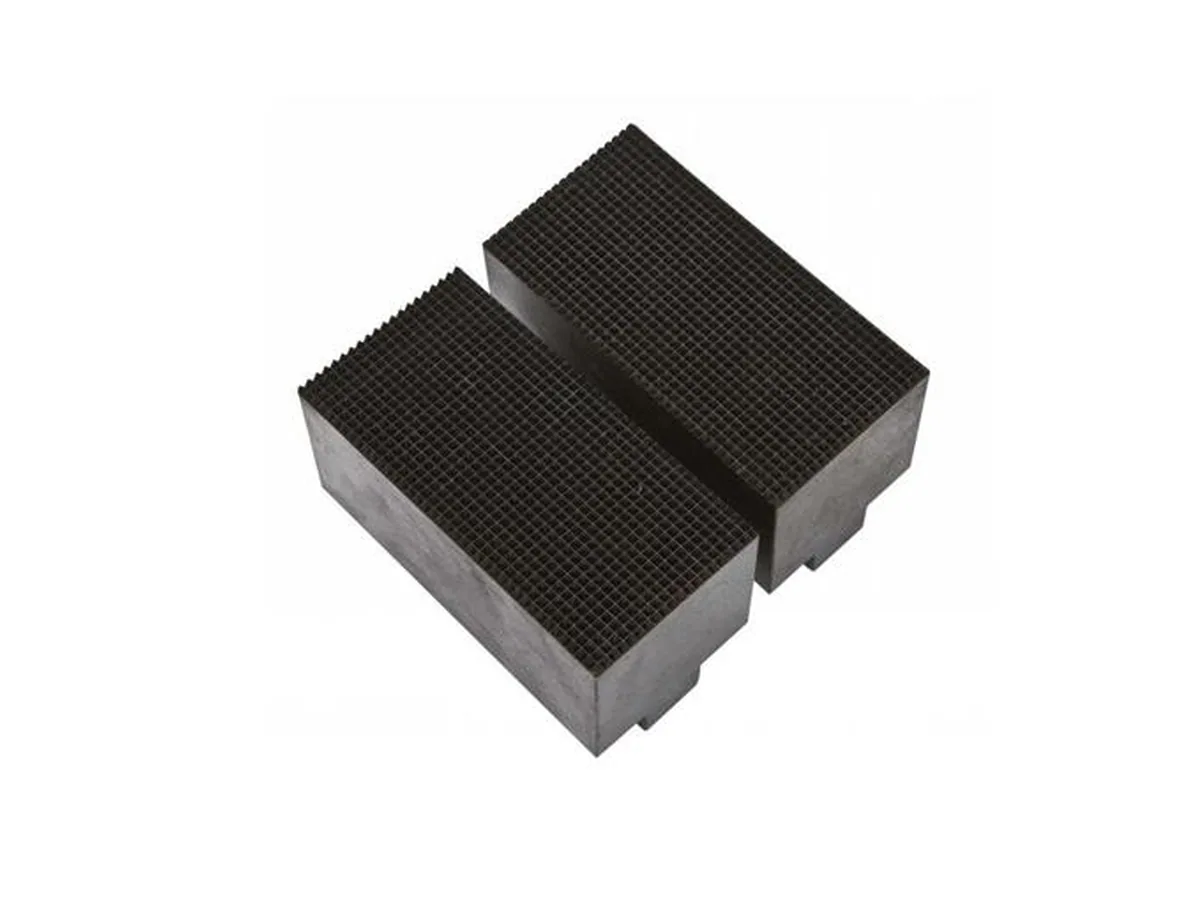
Double-column shear
| Cutting force | 300 kN shear |
| Max. thickness | 12 mm |
| Max. width | 160 mm |
| Cut quality | Square cut, no burr, no material loss |
| Structure | Double-column guide, so the blade stays square under load |
Two tables, PLC angle control
| Bending force | 300 kN |
| Max. width / thickness | 160 mm / 12 mm |
| Horizontal tools | R5 and R10 sets supplied |
| Tables | Two independent bending tables so two bars can be worked at once |
| Angle control | PLC, angle preset and stored as a program |
| Accuracy | ±1° |
Special tools for the remaining operations
| Vertical bending width | 120 mm on 10 mm copper |
| Vertical bending angle | 90° minimum |
| Vertical tools | One set supplied |
| Embossing | One embossing die set |
| Tie-in pressing | One pressing die set for joint crimping |
| Foot switches | Three, one per station |
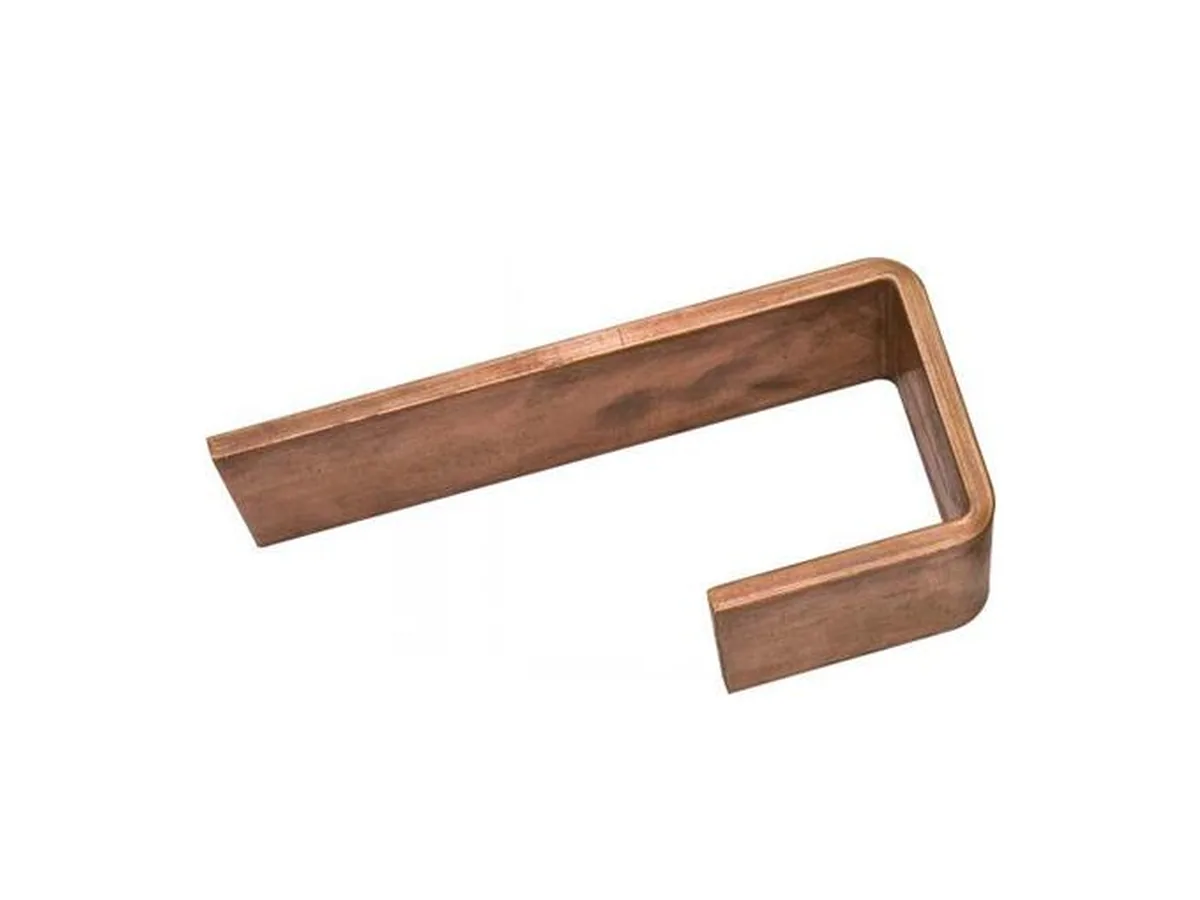
Tooling and finished work: the punching head, a horizontal bend and the vertical bending set.


Why workshops replace three separate machines with this one.
Punching, shearing, horizontal bending and vertical bending sit on one 1.7 m machine, so a bar travels between stations by hand instead of between machines.
Eight positions on the turret and four heads fitted as standard. Changing hole size is an index, not a die change, which is what keeps small batches profitable.
The double-column shear cuts square with no burr and no offcut, so busbar length is taken from the drawing rather than from a saw allowance.
Bending angle is set on the PLC and stored per program, so the second and hundredth bar come out at the same angle to within one degree.
Dies and blades are matched to copper and aluminium bar up to 12 mm, including the softer aluminium grades that mark easily.
Where busbar machines are used.
What the workshop provides.
| Power supply | AC 380 V, 3 phase, 50 Hz |
| Installed power | 3 × 4 kW |
| Floor space | about 1.7 × 1.35 m plus bar in-feed and out-feed |
| Foundation | Level floor, machine weight 1,390 kg |
| Compressed air | not required |
| Material | Copper or aluminium bar up to 12 mm thick, 160 mm wide |
What switchgear workshops ask before ordering.
Punching, shearing, horizontal bending, vertical bending, embossing and tie-in pressing. Twisting and flattening are done with the same tooling set on request.
12 mm on all three main stations, and 10 mm for vertical bending at 120 mm width.
No. The turret carries eight positions and four heads are fitted as standard, so hole size changes by indexing the turret.
Yes. The bending station has two separate tables and each station has its own foot switch, so punching and bending can run in parallel.
Machines that go with a busbar shop.

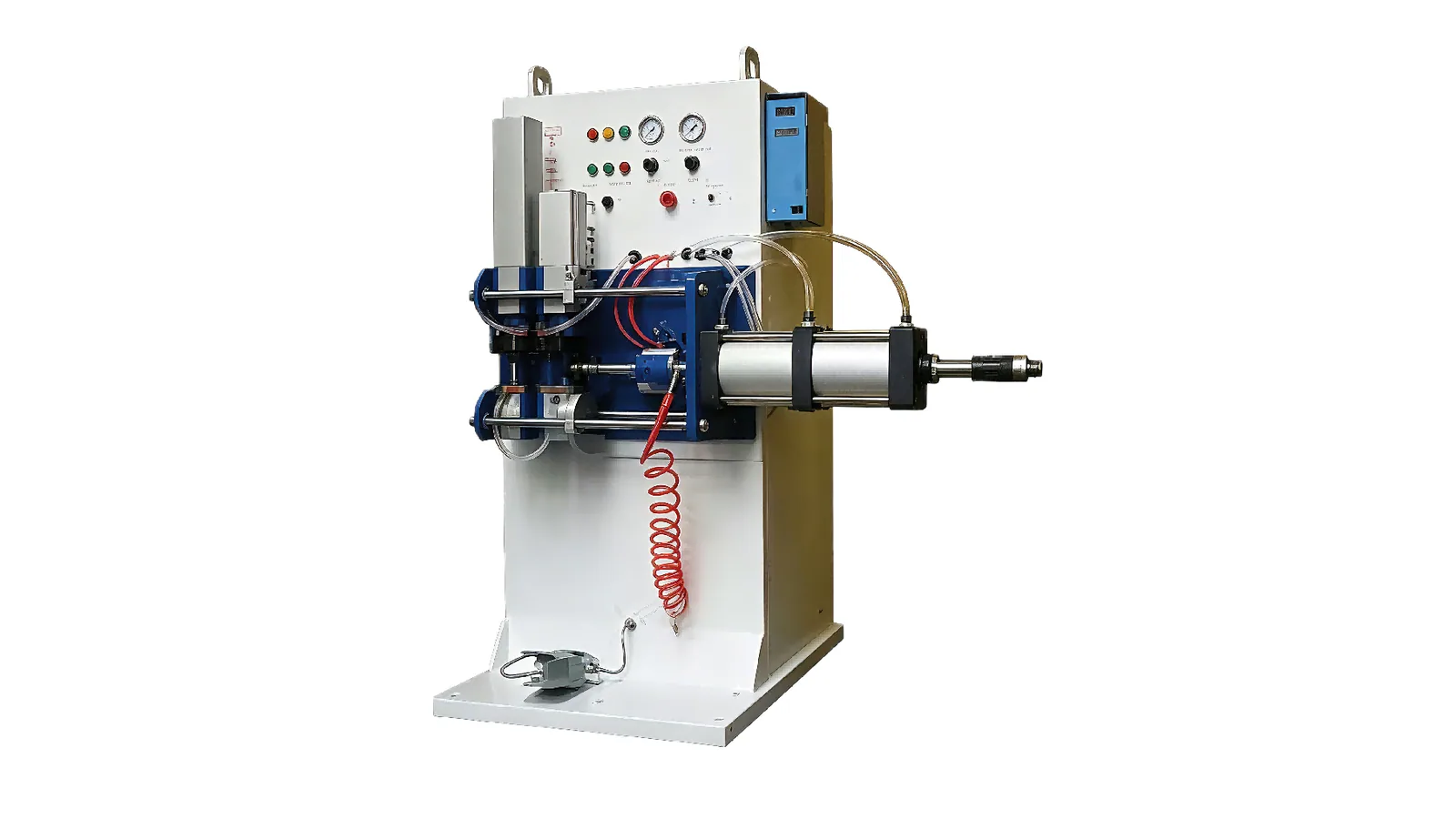
Welds copper conductors where a bolted joint is not allowed.

Joins copper to aluminium without a brazed transition piece.
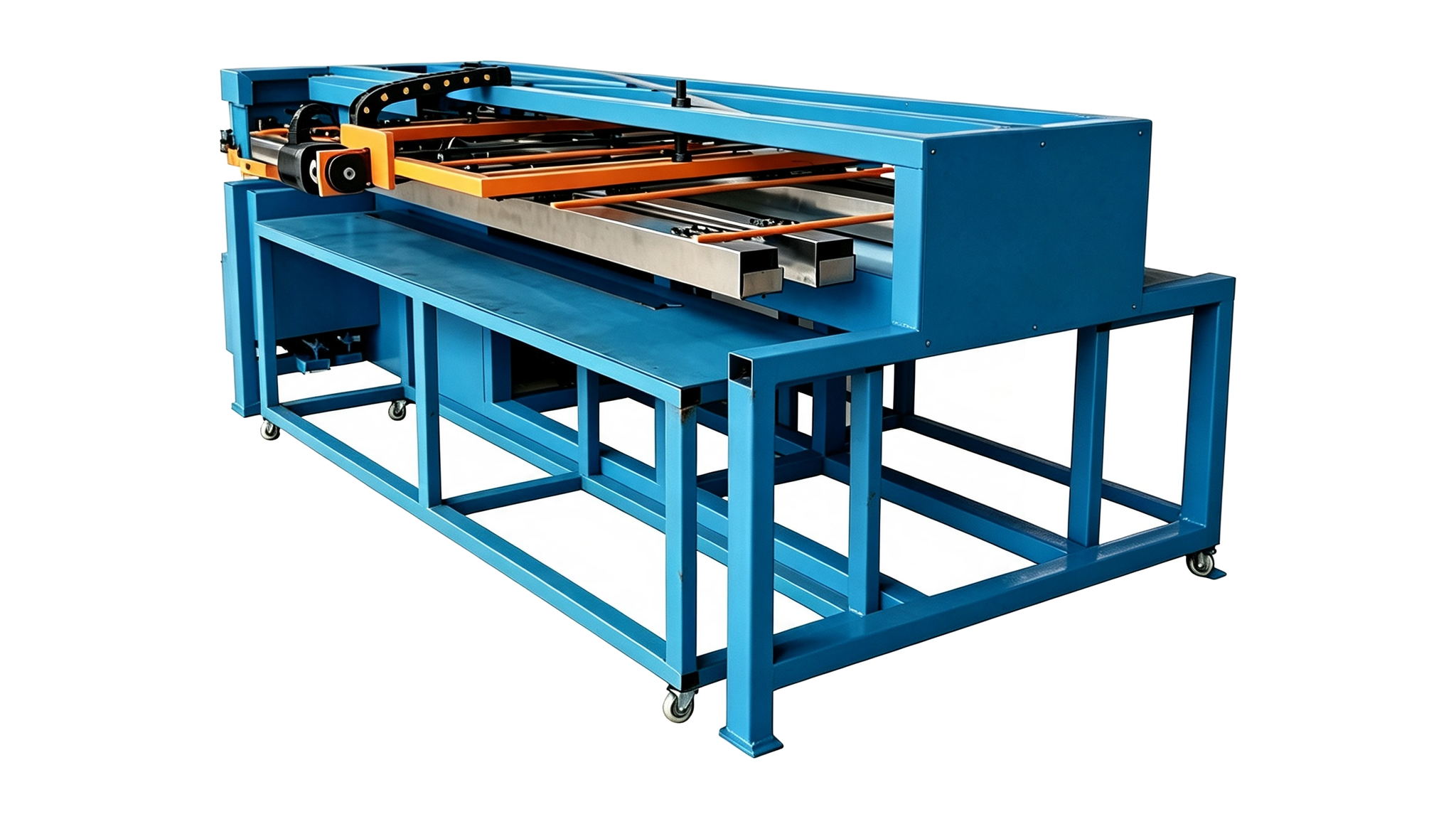
Cuts the silicon steel core that the busbar feeds.
Tell us the bar size, hole pattern and bend radii and we will confirm the dies, blades and tooling set.